
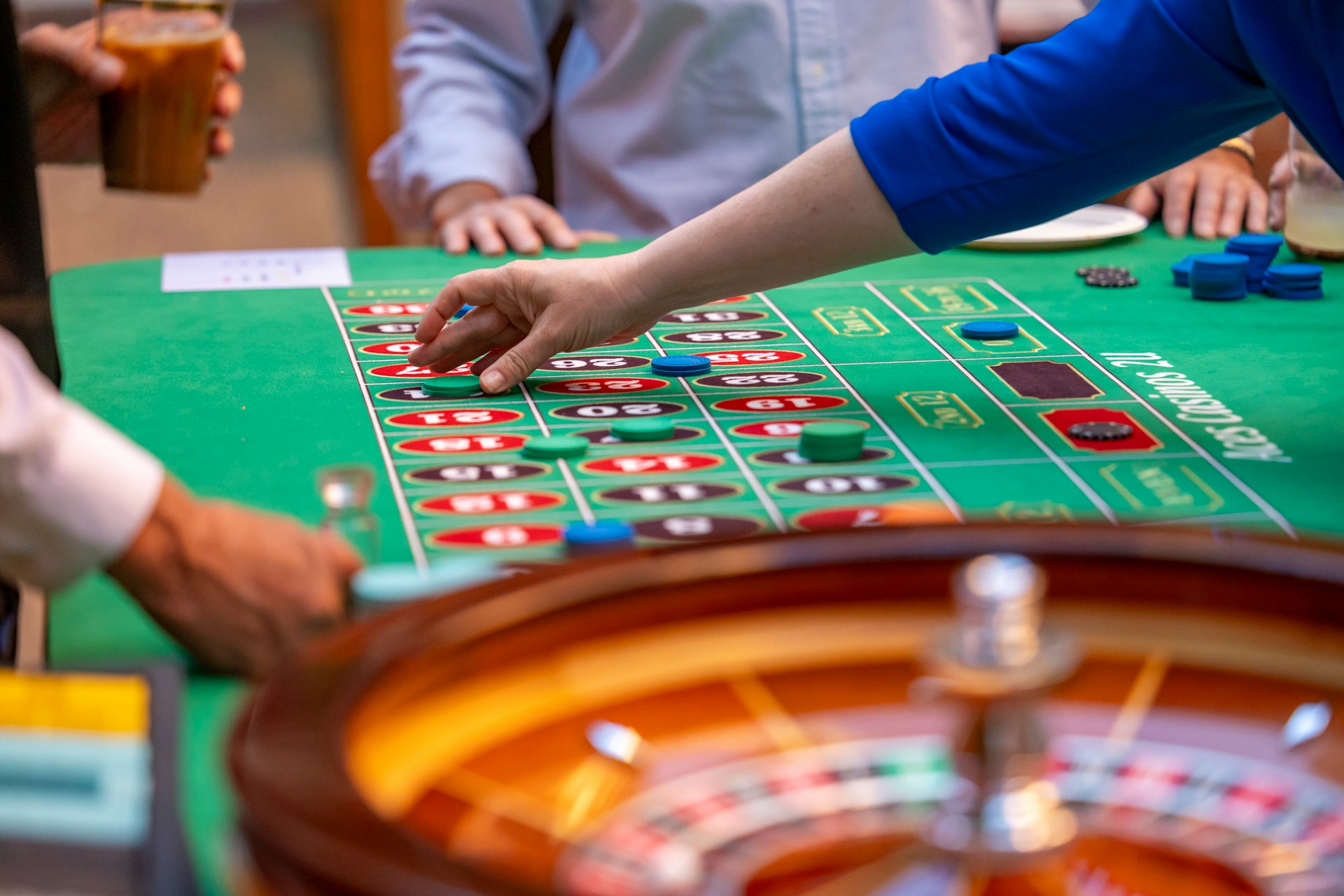
Gambling has been part of human culture for thousands of years, stretching far beyond the bright lights of modern casinos. Across different countries and civilizations, people have created unique traditions centered around games of chance, luck, and fortune. Some customs were tied to religious festivals, while others became social gatherings where families and friends celebrated together. Even today, many of these traditions continue in one form or another, offering a fascinating glimpse into how different cultures view luck, risk, and entertainment. Exploring these customs shows that gambling has always been about more than simply winning or losing—it has often reflected history, beliefs, and community values.
Lucky Rituals Before the First Bet
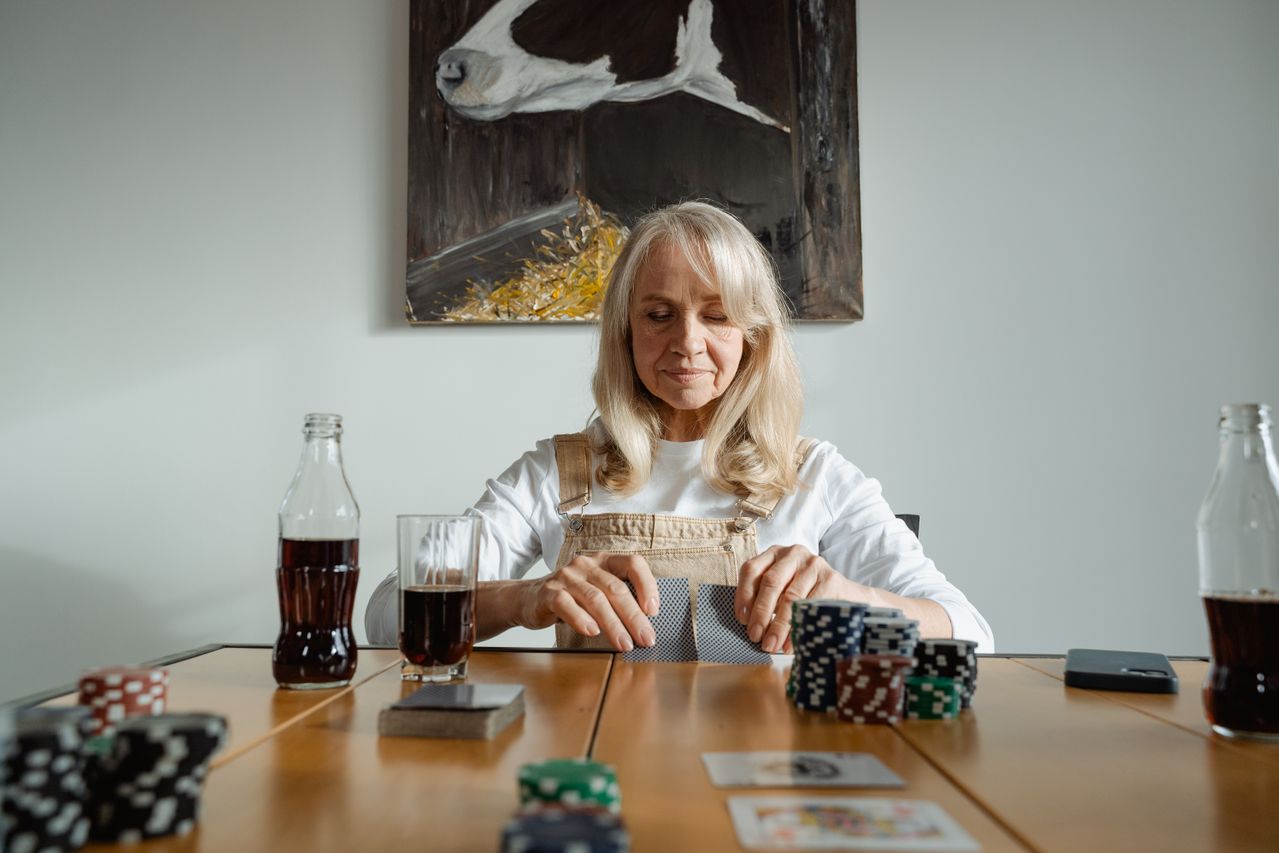
Many gambling traditions begin before the first card is dealt or the first dice are rolled. Around the world, players have developed rituals they believe bring good fortune, from wearing specific colors to carrying lucky charms. Even in today’s digital world, players often stick to personal routines before enjoying online platforms, and some may complete a yo game login before settling into a familiar gaming session that feels comfortable and enjoyable. While these habits may not change the odds, they add a sense of confidence and personal tradition that many players appreciate.
Ancient Games That Inspired Modern Casinos
Long before modern casinos existed, civilizations such as the Romans, Chinese, and Egyptians enjoyed games involving chance and strategy. Archaeologists have uncovered ancient dice, betting boards, and gaming pieces that reveal how popular these activities were centuries ago. In many cases, gambling was part of festivals or public celebrations rather than dedicated gambling venues. These early games helped shape many of the concepts found in today’s casino entertainment, demonstrating that humanity’s fascination with uncertainty has deep historical roots.
Festivals Where Gambling Is Encouraged
In several cultures, gambling becomes especially popular during annual celebrations. Certain festivals encourage friendly betting because it is believed to symbolize prosperity, good fortune, or abundance for the coming year. Families and friends gather to play traditional games, often treating the activity as a social event rather than serious competition. These occasions emphasize enjoyment and togetherness, reminding us that gambling traditions have often strengthened community bonds instead of focusing solely on financial rewards.
Superstitions That Refuse to Disappear
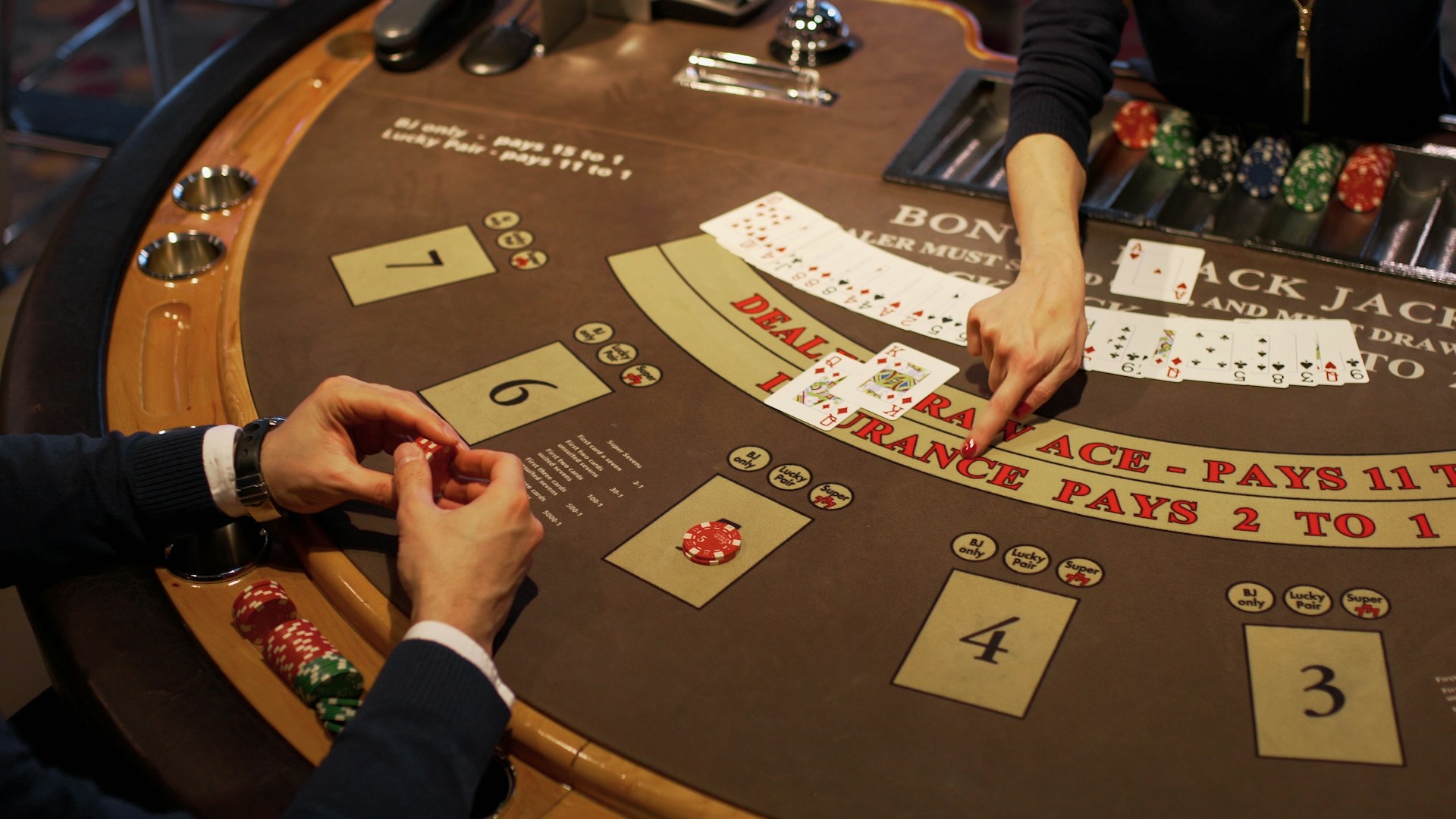
Superstitions continue to play an important role in gambling traditions worldwide. Some players avoid certain numbers, while others insist on sitting in a favorite seat or using the same lucky object every time they play. Different cultures have developed their own beliefs about symbols, colors, and even particular days considered fortunate or unlucky. Although these customs vary greatly from one region to another, they all reflect humanity’s desire to find meaning and confidence in situations influenced by chance.
How Technology Is Preserving Old Traditions
The digital age has introduced new ways to experience games while keeping traditional customs alive. Online gaming platforms often feature classic card games, dice games, and regional favorites enjoyed for generations. This allows people to reconnect with cultural traditions regardless of where they live. Technology has made it easier for younger generations to discover historic games and appreciate the customs surrounding them, helping preserve cultural heritage while adapting it to modern lifestyles.
Gambling as a Reflection of Culture
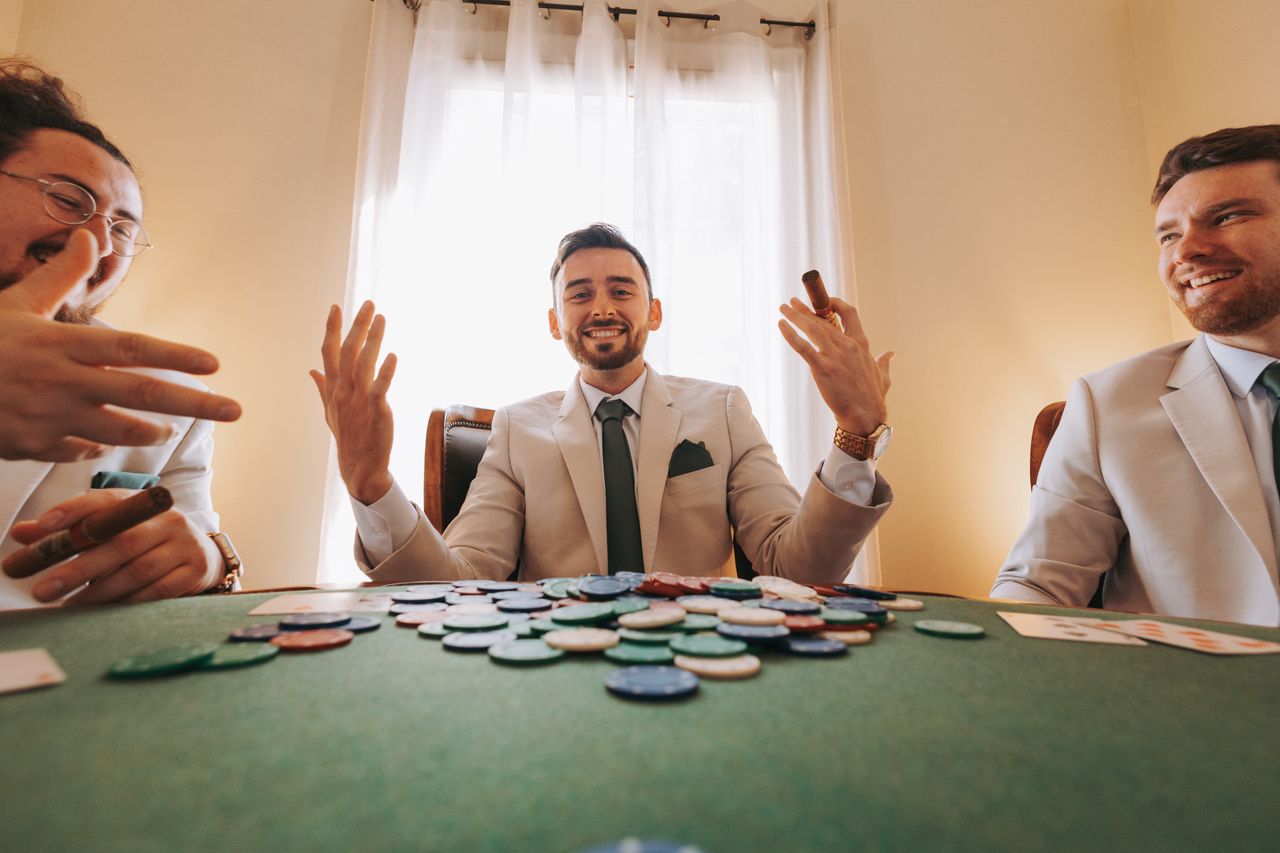
Looking at gambling traditions around the world reveals just how closely entertainment is connected to culture. Every society has developed unique ways of celebrating luck, testing skill, and enjoying friendly competition. Whether through elaborate festivals, family gatherings, or personal rituals, these customs reflect local beliefs and values passed down through generations. Understanding these traditions offers a richer perspective on gambling, showing that it has long been a meaningful part of social life in many different communities.
Gambling traditions are far more diverse and fascinating than many people realize. From ancient civilizations and seasonal festivals to enduring superstitions and modern digital experiences, these customs demonstrate how deeply games of chance are woven into cultures around the world. While the methods and technologies have evolved, the excitement of testing luck and sharing memorable experiences has remained remarkably consistent. Learning about these traditions reminds us that gambling is not just about the outcome of a game—it is also about history, community, and the timeless human fascination with chance.